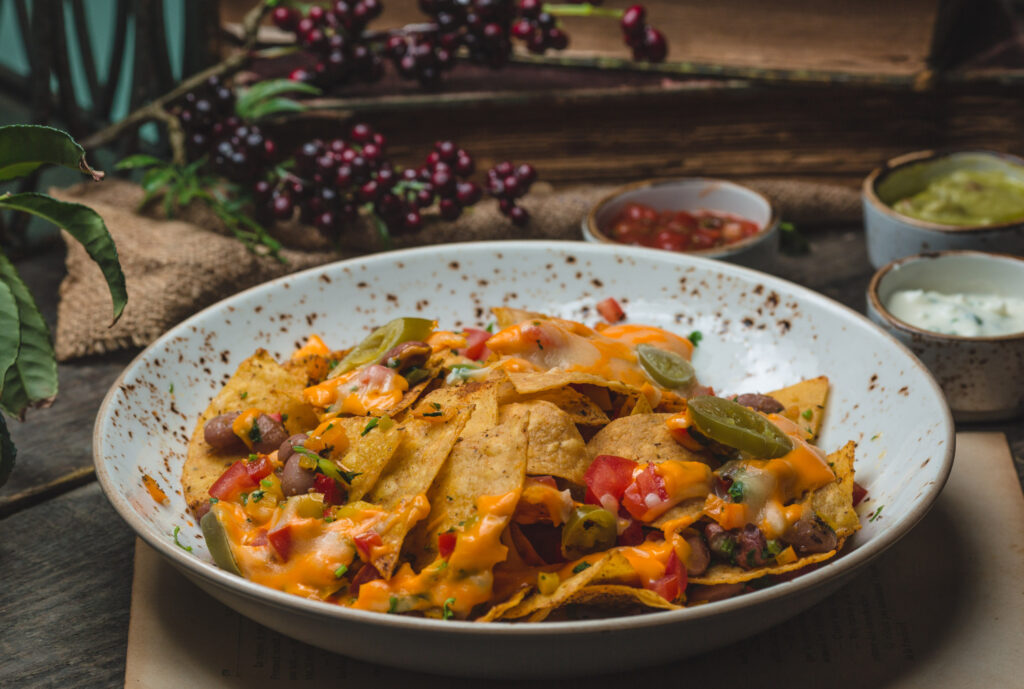
Wine and food have long been partners in culinary art, each enhancing the other’s flavour when perfectly matched. But choosing between red and white wine can feel like decoding a secret menu — especially when every cuisine brings its own spice, sweetness, and texture. The key lies in understanding flavour profiles and how they interact. Whether you’re enjoying Italian comfort food or exploring spicy Asian dishes, knowing which wine complements your plate can turn a meal into an experience.
Let’s explore how red and white wines differ, and which cuisines they shine with around the world.
Red Wine vs. White Wine: Understanding the Flavour Profiles
Red wines are made from grape varieties fermented with their skins, giving them deeper colour, tannins, and richer body. They often carry notes of dark fruit — blackberries, cherries, plums — along with earthy, smoky, or spicy undertones. Reds are typically bolder, with astringent tannins that cleanse the palate, making them ideal for hearty, savory dishes like grilled meats, tomato-based pastas, and roasted vegetables.
White wines, on the other hand, are lighter and more refreshing, crafted without grape skins. They lean toward crisp acidity and flavours of citrus, green apple, pear, or floral notes. Their brightness complements lighter fare — seafood, salads, creamy pastas, and dishes with herbs or fruit-based sauces. Whites are excellent for balancing spice and sweetness, especially in cuisines with vibrant, layered flavours.
Pairing Wines with Global Cuisines
Italian Cuisine: A Classic Playground for Wine Lovers
Italian dishes range from robust tomato sauces to delicate seafood pastas — and wine plays a starring role in every region.
- Red Wine Pairings: Bold reds like Chianti, Barolo, or Sangiovese work beautifully with tomato-based dishes, lasagna, and pizza. Their acidity matches the tanginess of the sauce, while the tannins balance the richness of cheese and meat.
- White Wine Pairings: For creamy risottos, seafood linguine, or chicken piccata, opt for Pinot Grigio, Vermentino, or Soave. Their crisp freshness cuts through butter and cream, keeping each bite light and balanced.
Tip: Pair the intensity of the wine with the intensity of the dish — light wines for delicate flavours, bold reds for rich ones.
Asian Cuisine: Harmony Through Contrast
Asian food thrives on contrast — sweet and spicy, salty and tangy — making wine pairing both tricky and thrilling.
- Red Wine Pairings: For umami-forward dishes like beef teriyaki or Peking duck, try softer reds such as Pinot Noir or Shiraz, which enhance savoury depth without overwhelming the spice.
- White Wine Pairings: Spicy Thai curries, sushi, and stir-fries pair perfectly with aromatic whites like Riesling, Gewürztraminer, or Chenin Blanc. Their natural sweetness and acidity, cool spice and highlight delicate herbs.
Tip: Slightly off-dry whites balance heat beautifully — sweetness tames chilli, while acidity keeps flavours crisp.
French Cuisine: Tradition and Balance
French cuisine is as diverse as its wine regions, and pairing them is an art refined over centuries.
- Red Wine Pairings: Dishes like coq au vin, duck confit, or beef bourguignon call for elegant reds such as Burgundy (Pinot Noir) or Bordeaux blends. Their depth enhances slow-cooked, earthy flavours.
- White Wine Pairings: Creamy sauces, seafood, and cheese-based dishes harmonise with Chardonnay, Sauvignon Blanc, or Chablis, which offer balance and subtle minerality.
Tip: Think regionally — Burgundy wines for Burgundian dishes, Loire whites for Loire-style seafood — local ingredients often evolved alongside local wines.
Indian and Middle Eastern Cuisine: Spice Meets Structure
Bold spices and layered flavours define these cuisines, and the right wine enhances rather than competes.
- Red Wine Pairings: Medium-bodied reds like Zinfandel or Grenache work with tandoori meats, kebabs, and spiced lamb. Their fruitiness complements aromatic heat.
- White Wine Pairings: For curries, biryanis, or tagines, off-dry whites like Riesling or Moscato balance spice and creaminess, while Rosé bridges both worlds — crisp, fruity, and versatile.
Tip: Avoid heavy, tannic reds; they can amplify spice and bitterness. Instead, seek wines with a soft, fruit-forward character.
Tips for Pairing Wine with Flavour Profiles
For Spicy Dishes
Choose off-dry whites like Riesling, Gewürztraminer, or even a sparkling Prosecco. These wines’ sweetness and bubbles cool the palate, preventing heat from overpowering. Light reds like Pinot Noir can also work for mild spice, offering warmth without harshness.
For Sweet or Savoury Dishes
Match sweet dishes with slightly sweeter wines — a late-harvest white or Moscato pairs well with desserts or sweet-savoury Asian sauces. For savoury mains, earthy reds such as Merlot or Cabernet Franc provide balance to the dish’s richness.
For Creamy or Fatty Foods
High-acid wines cut through creaminess. Try Sauvignon Blanc, Chardonnay, or Chianti — their acidity acts like a squeeze of lemon, brightening heavy dishes.
FAQs
1) What’s the main difference between red and white wine?
Red wine is fermented with grape skins, giving it colour, tannins, and bolder flavour, while white wine is made without skins, resulting in a lighter body and crisp acidity. Reds pair well with rich, savoury dishes; whites complement lighter, spicier, or citrus-based cuisines.
2) Which wine pairs best with spicy food?
For spicy dishes, go for off-dry white wines such as Riesling, Gewürztraminer, or Moscato. Their natural sweetness and refreshing acidity balance heat and enhance flavours. Avoid heavy reds, as their tannins can intensify spice and bitterness on the palate.
3) Can you drink red wine with fish or seafood?
Yes — light-bodied reds like Pinot Noir or Gamay pair beautifully with grilled salmon, tuna, or seafood stews. Their subtle tannins and berry notes complement the richness of the fish without overpowering it. Generally, delicate seafood prefers crisp whites, while oily fish can handle softer reds.
4) What wine goes well with Italian food?
Classic Italian reds such as Chianti, Sangiovese, or Barolo match tomato-based dishes and meats. For seafood or creamy pasta, choose Pinot Grigio or Vermentino. The rule is simple: pair the wine with the sauce — acidic reds for tomatoes, crisp whites for butter, cream, or herbs.
5) Which wines complement Asian cuisine?
Asian dishes feature dynamic sweet-spicy contrasts. Aromatic whites like Riesling or Chenin Blanc balance spice, while light reds such as Shiraz or Pinot Noir suit umami-rich options like teriyaki or Peking duck. Slightly sweet wines tame chilli, ensuring smooth flavour harmony.
6) How do I choose wine for sweet or savoury dishes?
Match sweetness with sweetness — dessert wines like Moscato or late-harvest Riesling suit sweet dishes. For savoury meals, earthy reds such as Merlot or Cabernet Franc enhance depth and richness. Always balance intensity — light wines for gentle flavours, full-bodied for hearty fare.
7) What’s the safest wine for mixed cuisines or buffets?
When flavours vary, Rosé and sparkling wines are reliable choices. Their balanced acidity and fruitiness bridge the characteristics of red and white wines, making them versatile for a wide range of dishes — from sushi and pasta to grilled meats and desserts.
Conclusion
Whether you prefer the depth of a red or the crispness of a white, wine pairing is about balance — matching or contrasting flavours to bring harmony to your meal. Red wines shine with bold, savoury, or meaty dishes; white wines elevate lighter, spicier, or tangier flavours.
Next time you’re torn between a Cabernet and a Chardonnay, remember: there’s no absolute rule — only discovery. Let your taste guide you, and you’ll find the perfect glass for every plate, from an Italian trattoria to an Asian street kitchen. If you’re unsure where to start, explore some tips for buying wine — they can help you navigate labels, regions, and pairings with confidence.